

Article
Failure has a way of reshaping how we think, believe, and live. In this post, we explore how Jesus’ parable of the sower reveals that true understanding begins not just with evidence, but with the posture of our hearts—and how failure can open the door to seeing truth clearly for the first time.
Failure has a way of doing what success often cannot—it stops us, humbles us, and forces us to see differently.
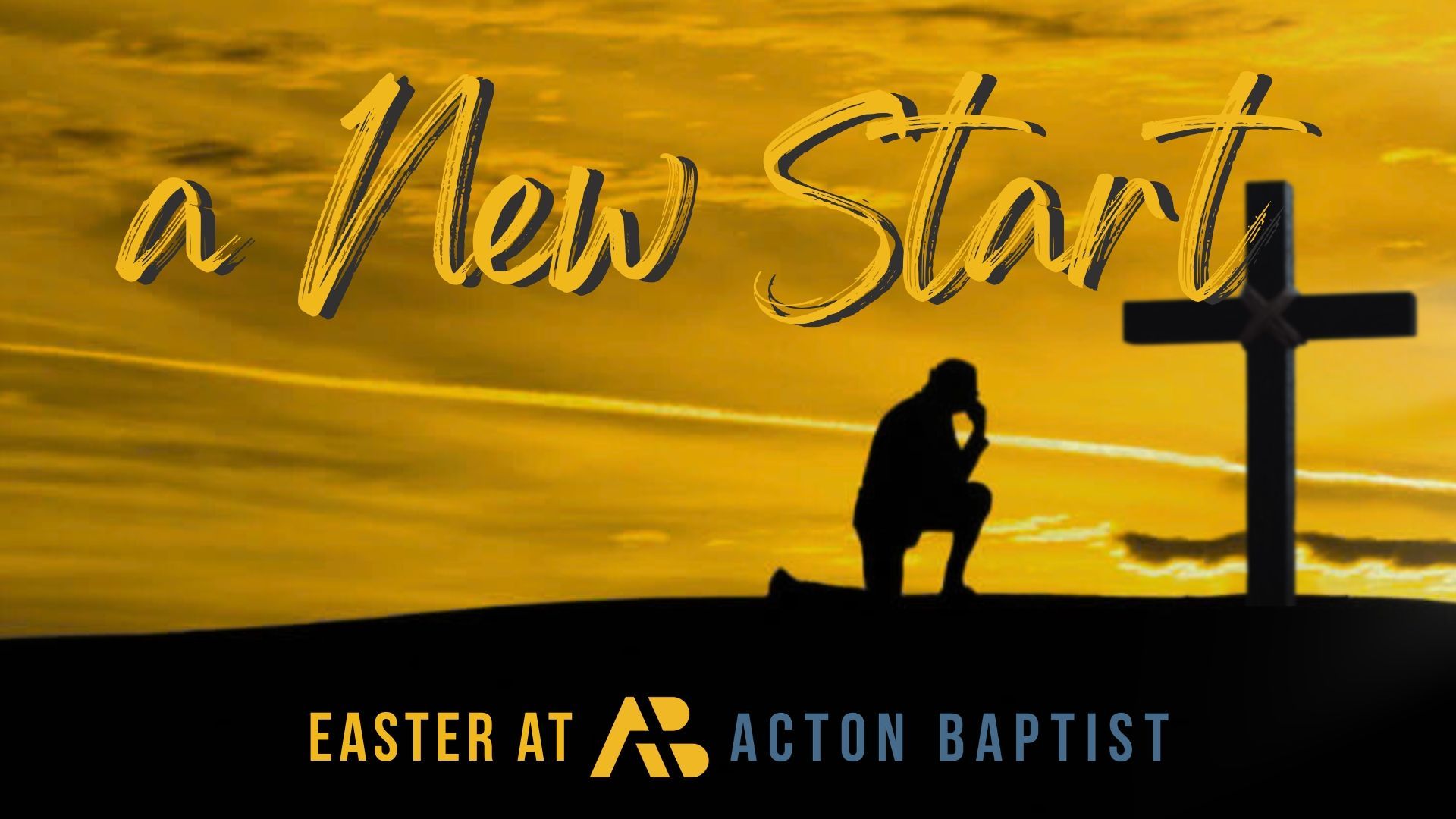
As we continue in this series A New Start, we’ve already seen that God gives us fresh mercy every day and a new mission for our lives. But today we come to something deeper: a new understanding. And often, that understanding is born out of failure.
Not just small missteps, but moments where our thinking, our assumptions, or even our beliefs don’t hold up. Moments where something cracks—and through that crack, truth begins to shine.
How We Think… and How That Changes
Jesus tells a parable about a farmer scattering seed. Some falls on hard ground, some on rocky soil, some among thorns, and some on good soil. At first, it sounds simple—even confusing. But what Jesus is actually revealing is profound: He’s showing us how people come to understand truth.
We tend to think learning works like this: we perceive something, we consider it, and then we believe it. That’s how children learn. They take in the world, process it, and form beliefs based on what they discover. But as we grow older, something shifts.
Instead of perceiving first, we begin with belief. And that belief starts to shape everything else. We don’t just see what’s there—we see what we already believe. We don’t just consider truth—we filter it. That’s where failure becomes a gift. Because failure disrupts that cycle. It exposes the cracks in what we thought was true. It challenges the assumptions we didn’t even realize we were holding. And suddenly, we’re not as certain as we once were.
And that’s a powerful place to be.
The Role of Choice in Understanding
Jesus makes it clear that understanding truth isn’t just about evidence—it’s about the heart. In fact, He flips our expectations by showing that belief often comes before understanding. That sounds backwards to us. We want proof first, then belief. But Jesus describes a world where choice precedes knowledge.
If someone is open to truth—if they are willing to believe—understanding begins to grow. But if someone is closed off, even the truth right in front of them won’t take root. That’s why two people can look at the same world, the same evidence, even the same life of Jesus, and come to completely different conclusions. We don’t just see what is—we often see what we’ve already chosen to believe.
And failure has a way of interrupting that. When something doesn’t work, when life doesn’t go according to plan, when our expectations fall apart—we’re suddenly faced with a choice again. Will we double down on what we thought was true? Or will we become open to something new?
The Condition of the Heart
Jesus describes four kinds of “soil,” representing four responses to truth. Some hearts are hard. Truth never really gets in. It’s dismissed quickly, often without much thought. Some are shallow. Truth is received with excitement, but it doesn’t last. When life gets difficult, it fades just as quickly as it came. Others are distracted. Truth is there, but it gets choked out by the worries of life, the pull of success, or the pressure to conform.
But then there is the good soil. This is the heart that is open. Not perfect—but willing. Willing to hear, to receive, and to let truth take root deeply enough to change everything. Failure often prepares the soil. It softens what was hard. It exposes what was shallow. It clears out what was choking growth. And in that space, something new can finally take root.
Seeing Leads to Life
Jesus tells His disciples, “Blessed are your eyes because they see.” That’s the goal—not just information, but vision. Not just knowing about truth, but actually seeing it. Because when you truly see—when truth moves from your head into your heart—it changes how you live. It produces something. Not just small change, but transformation. A life that begins to reflect something deeper, richer, more eternal.
And at the center of that life is not just more time, more success, or more comfort—but a relationship with God. That’s what we were created for. Not just to exist longer, or achieve more, but to know Him—to experience His presence, His love, and His goodness in a way that reshapes everything.
A New Way Forward
Failure is not the end of your story. It may actually be the beginning of clarity. It’s an invitation to step back, to question what you’ve believed, and to become open again. To move from assumption to humility. From control to surrender. Because the truth is closer than we think. It’s not hidden—it’s just often overlooked. And when we’re willing to let go of our biases, our pride, and our need to be right, we begin to see what’s been there all along.
Believe—and you will see. And when you truly see, it will lead you to life.
Related Articles
Related Articles