

Article
What do you really believe about the resurrection of Jesus—and what difference does it make in your life? This post invites you to look honestly at the evidence, wrestle with what’s true, and discover how the resurrection isn’t just a story, but a personal invitation into new life, deeper identity, and a real relationship with God.
Happy Easter.
There’s a question at the center of this day—one that’s more personal than we often realize: What do you truly believe about the resurrection of Jesus Christ? Because if it’s real—if it actually happened—then it doesn’t just add a spiritual idea to your life. It changes everything. It reshapes how you see the world, how you understand yourself, and ultimately, how you live.
For some, the resurrection feels distant or uncertain. Maybe it’s something you’ve never fully believed, or maybe you’ve never taken the time to really examine it. And that’s worth pausing over. The claim of the resurrection isn’t small—it’s the offer of eternal life. That’s too significant to ignore without honest consideration.
For others, belief may already be there—but it hasn’t truly taken hold. It lives more in the mind than in the heart. It’s possible to accept the idea of the resurrection simply because it fits what we’ve always been told or what we want to be true. But real belief—the kind that transforms—goes deeper. If the resurrection is true and you truly believe it, it will change you. It has to.
When we look at the account in John 20, something striking stands out. The first people to encounter the empty tomb didn’t immediately understand what had happened. Mary Magdalene, Peter, and John saw the evidence, but they had to process it. They thought, questioned, and tried to make sense of what they were seeing. Their belief wasn’t blind—it was formed through wrestling with reality.
And that’s still true today. Christianity isn’t built on wishful thinking. It’s rooted in evidence—eyewitness testimony, historical accounts, and the enduring witness of countless lives changed. Hundreds claimed to have seen the risen Jesus. Many of them faced death and refused to deny what they had witnessed. People don’t willingly give their lives for something they know is a lie.
But belief doesn’t stop at evidence. It leads somewhere. It expands our vision.
We live in a world governed by what we call natural law—the predictable patterns of life. Things grow, live, and die. That’s what we see, and it shapes what we expect. So when we hear that someone rose from the dead, it challenges everything we think we know. But that’s the point. If Jesus rose from the dead, then He is not bound by natural law. He is the author of it.
And when we begin to ask deeper questions—Why is there order in the universe? Why do we long for meaning, love, joy, and purpose?—we start to see something more. The world isn’t random. It is designed. And we are part of that design.
There’s also something written into every human heart. We naturally long for life, connection, joy, and peace. At the same time, we instinctively recoil from death, pain, loneliness, and brokenness. That’s not accidental. It’s a reflection of who God is—and what life looks like with and without Him.
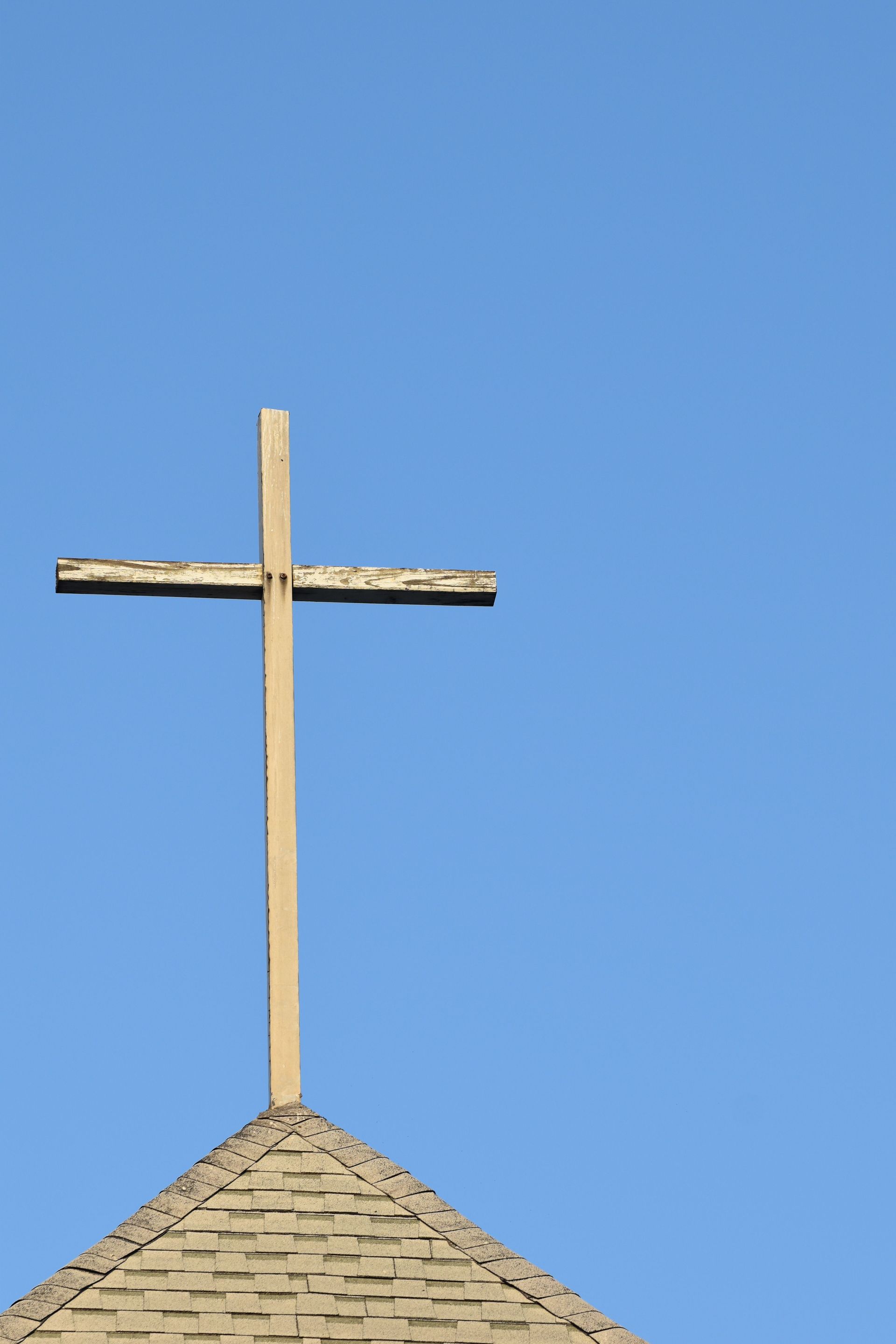
The cross and the resurrection bring that into focus. On the cross, Jesus took on everything we fear and hate—pain, rejection, death. He stepped into the full weight of what it means to be separated from God. But the resurrection tells the rest of the story. It is the victory over all of that. It is life, joy, peace, and restoration breaking through.
The resurrection isn’t just a moment in history—it’s a revelation. It shows us who God is and what He offers. It’s an invitation into the life we were created for.
And it’s personal.
One of the most powerful moments in the resurrection story is when Jesus speaks to Mary. She doesn’t recognize Him at first. She’s overwhelmed, confused, and grieving. But then Jesus says one word: “Mary.” And everything changes. In that moment, she knows Him.
That’s how Jesus works. He doesn’t just prove a point—He calls us by name.
The resurrection isn’t just about Jesus rising from the dead. It’s about what that means for you. It means you are known. You are loved. You are valued—personally, sacrificially, and eternally. The cross shows the cost of that love. The resurrection shows its power.
We live in a culture obsessed with identity, constantly trying to define ourselves. But true identity isn’t something we create alone. It’s something we receive. It’s found when someone we value deeply loves us in return. And there is no greater source of identity than this: the God of the universe loves you enough to die for you and rise again to give you life.
When Mary realized Jesus was alive, everything changed. Her grief turned to joy. Her confusion to clarity. Her life found new purpose. The same is true for us. When we truly see and believe in the resurrection, it doesn’t leave us the same. It brings a new life—one filled with meaning, hope, and relationship with God.
So the invitation is simple, but profound: look at the evidence. Ask the questions. Be honest about what you see.
Because if the resurrection is true—and it is—then Jesus is alive. And He is calling your name.
And in Him, there is new life.
Related Articles
Related Articles