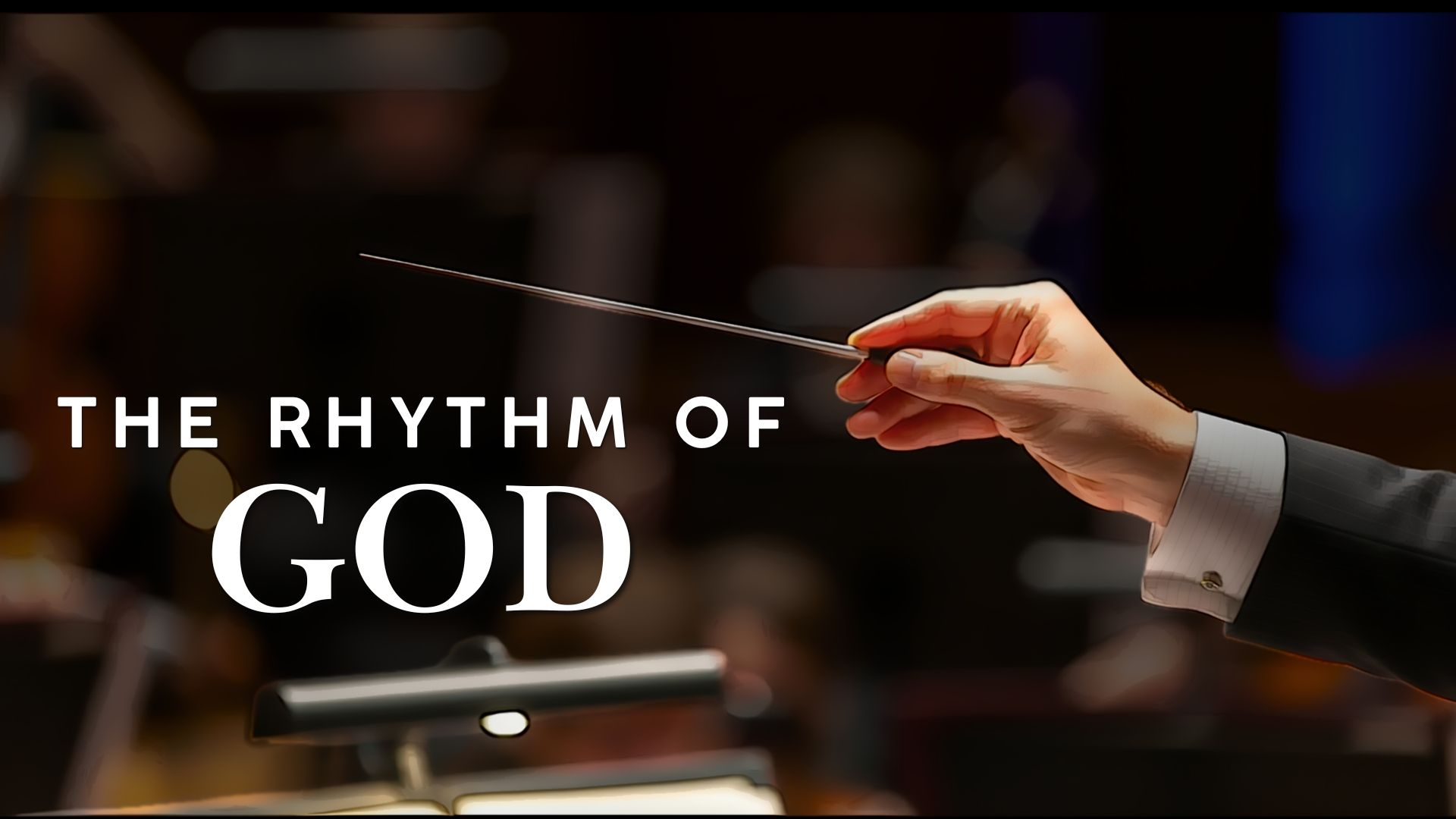
As we look ahead to 2026, our focus is on what we’re calling the rhythm of God. This vision is about more than a phrase or a goal—it’s about shaping the way we live each day.
Every life has a rhythm. Our days are filled with routines, responsibilities, relationships, and rest. Over time, those repeated patterns form the cadence of our lives. The question we’re asking is simple but searching: Is God part of that rhythm, or is He something we try to fit in when it’s convenient?
Scripture reminds us that life is always lived in a time and a place. God has placed us here, now, on purpose. He is present not only in worship services but in ordinary spaces—homes, schools, workplaces, grocery stores, and conversations we never planned to have. Too often, we miss Him because we believe the quiet lie that today is “just another day.”
In Mark 5, an ordinary day along the Sea of Galilee changed when Jesus arrived. People were working, traveling, and living their normal lives—until word spread that Jesus was back. Two people, Jairus and a woman who had suffered for years, recognized that this moment mattered. They acted in faith, and God met them right where they were. Others stayed busy and walked past what God was doing.
Meaning in life is found when God’s eternal purposes touch our everyday moments. Ecclesiastes tells us that God has set eternity in the human heart, and that longing is what stirs us to look beyond routine and pay attention. Faith helps us see when God is moving; doubt keeps us stuck in what feels safe and predictable.
Jesus is not meant to be squeezed into our schedules. He is Lord over them. When we live aware of His presence, encountering Christ and engaging others becomes less about planning and more about posture. It becomes the natural rhythm of our lives.
God is here.
This moment matters.
The question is whether we will notice—and respond.